
Cultivar record / pink-kush
Pink Kush
Pink Kush is a hybrid cultivar with OG Kush in its recorded lineage. Reported characteristics include vanilla, sweet and flowery flavours and relaxed, sleepy and hungry effects.
Photography
No photo yet
We don't have an original photo of Pink Kush yet.
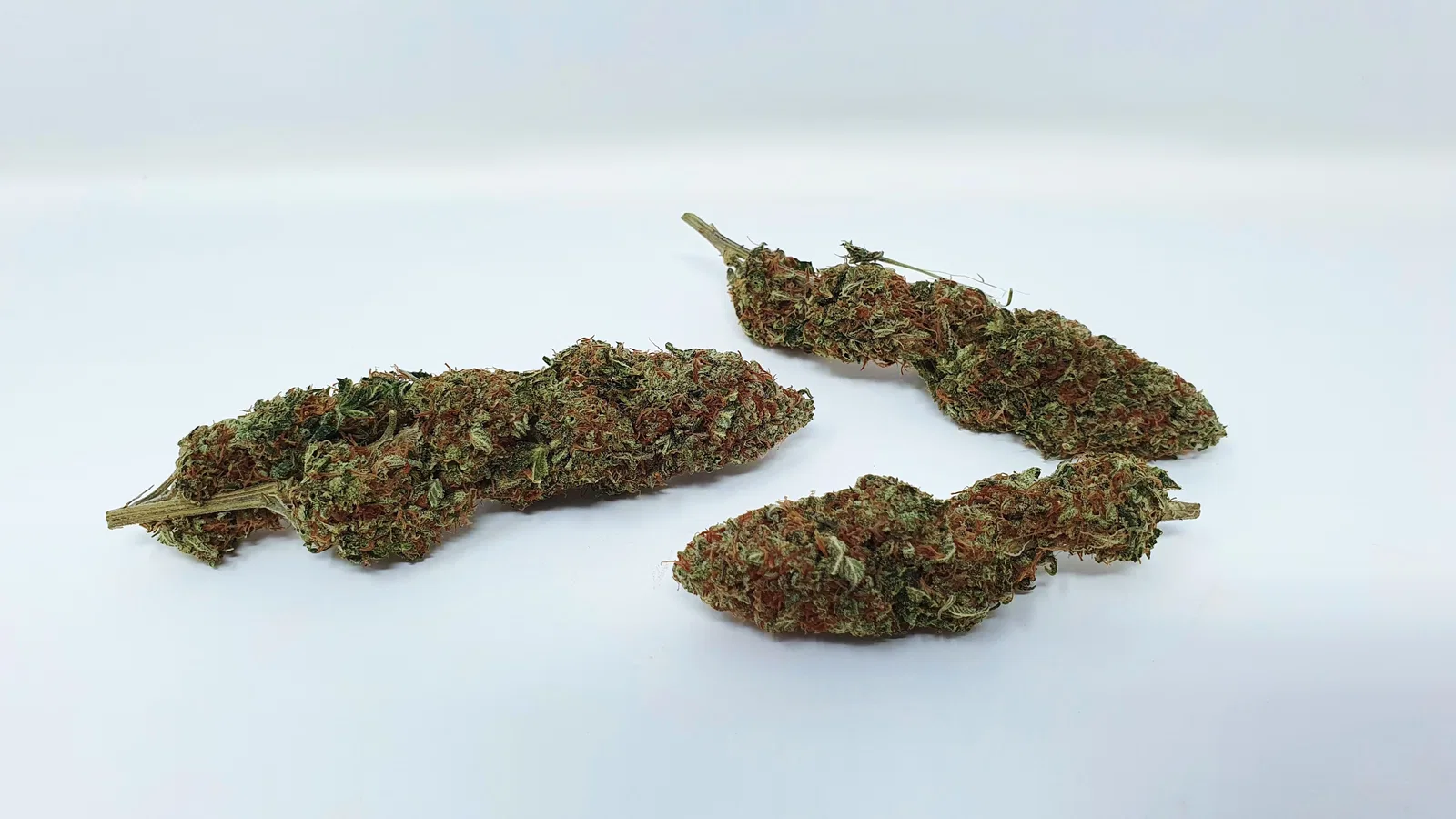
Cover reference: The photograph above shows Yuzu Kush, not Pink Kush. Shares 'kush' naming with the Yuzu Kush cultivar.
Have a photo of Pink Kush that you took yourself? Send it to [email protected].
Archive descriptors
Record notes
Only descriptors supported by both the archive record and supplementary cultivar data are listed here.
Reported feelings
Flavour notes
Terpenes
Genetics
Reported negatives
- Dry Mouth
- Dry Eyes
Reported sensory and character descriptors vary by phenotype, batch and individual experience. They are not medical guidance.
Genetics and lineage
The recorded parent strain is OG Kush.
Flavour
Reported flavour notes include vanilla, sweet and flowery.
Reported character
Reported effects include relaxed, sleepy and hungry. Individual experiences vary.
Uncertainty and variation
This profile has no independently recorded aroma data. Cultivar names, potency and characteristics vary between growers, batches and phenotypes. The archive records a specific reviewed sample — it is not a current product specification.
Reported Effects of Pink Kush
Users most commonly report feeling relaxed, sleepy and hungry after consuming Pink Kush. These subjective effects are drawn from user-reported data and individual experiences vary considerably. The effects profile is influenced by the strain's dominant terpenes — Caryophyllene (aroma and mood), Myrcene (comfort and ease), and Limonene (freshness and energy) — as well as individual tolerance, consumption method and dosage.
Terpene Profile
The dominant terpenes recorded for Pink Kush are Caryophyllene (a spicy, peppery character associated with comfort and ease), Myrcene (an earthy, musky profile commonly associated with relaxation and the classic sedative sensation) and Limonene (a bright citrus note often linked to elevated mood). Terpene profiles can vary between phenotypes, growing conditions and curing methods.
For more on how terpenes influence the cannabis experience, see our guide to cannabis terpenes and browse the terpene directory.
Pink Kush Questions
What is Pink Kush?
Pink Kush is classified as hybrid. Its recorded parent strain is OG Kush.
Is Pink Kush indica or sativa?
Pink Kush is recorded as hybrid. Most modern cultivars are hybrids with both indica and sativa ancestry, so individual experiences can vary.
How strong is Pink Kush?
The archive record notes THC 20% and CBD <1% for Pink Kush. Actual potency varies between batches, growers and phenotypes.
Is Pink Kush suitable for beginners?
At around 20% THC, Pink Kush sits in the moderate-to-strong range. Beginners should start low and go slow — a little often goes a long way. Individual tolerance varies considerably.
What does Pink Kush taste like?
The archive lists vanilla, sweet and flowery as flavour notes for Pink Kush.
What effects are reported for Pink Kush?
Community-reported effects include relaxed, sleepy and hungry. Individual experience varies considerably.
What are the potential downsides of Pink Kush?
Commonly reported side effects include dry mouth and dry eyes. These are self-reported and vary widely between consumers.
What terpenes are in Pink Kush?
The archive record lists caryophyllene, myrcene and limonene as terpenes associated with Pink Kush.
What is the genetic lineage of Pink Kush?
The recorded parent strain is OG Kush. Lineage accounts can differ by breeder and source.
Is every Pink Kush sample identical?
No. Phenotype, cultivation methods, storage conditions and batch differences can materially change appearance, aroma, flavour and reported character. The archive records what was observed in specific samples — your experience may differ.