
Cultivar record / skunk-1
Skunk #1
Skunk #1 is a hybrid cultivar with Afghani, Acapulco Gold and Colombian Gold in its recorded lineage. Reported characteristics include skunk, pungent, earthy, sour and sweet flavours and hungry, happy and euphoric effects.
- Type
- hybrid
- THC
- 17%
- CBD
- <1%
- Breeder
- Sensi Seeds
Photography
No photo yet
We don't have an original photo of Skunk #1 yet.
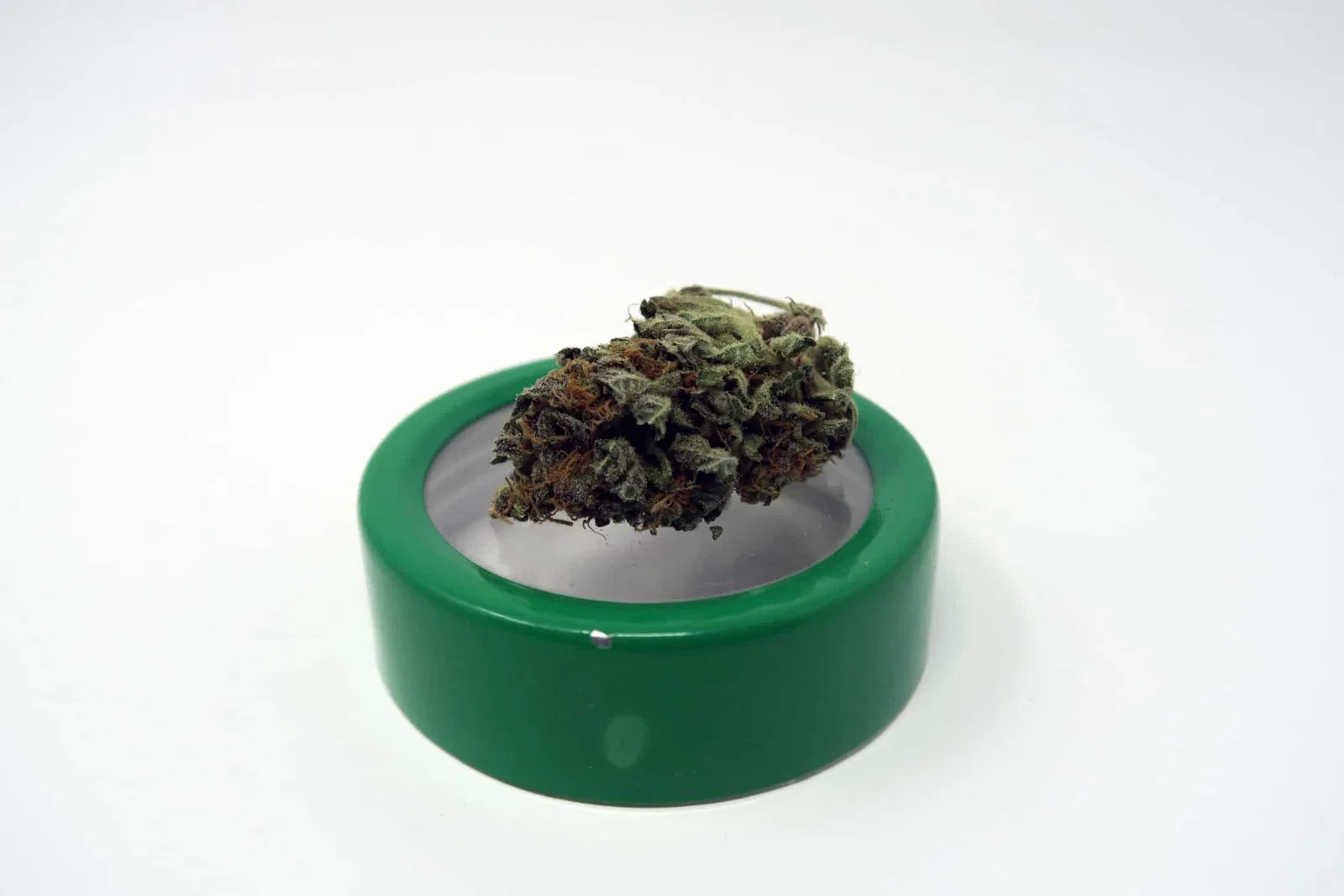
Cover reference: The photograph above shows Lavender, not Skunk #1. Shares afghani in its lineage.
Have a photo of Skunk #1 that you took yourself? Send it to [email protected].
Archive descriptors
Record notes
Only descriptors supported by both the archive record and supplementary cultivar data are listed here.
Reported feelings
Flavour notes
Terpenes
Genetics
- Afghani
- Acapulco Gold
- Colombian Gold
Reported negatives
- Dry Mouth
- Paranoid
- Dry Eyes
Reported sensory and character descriptors vary by phenotype, batch and individual experience. They are not medical guidance.
Overview
Skunk #1 is a hybrid cannabis cultivar originally bred by Sacred Seeds (Sam the Skunkman) in California during the late 1970s, created by crossing Afghani, Acapulco Gold and Colombian Gold through a multi-generational stabilisation programme. It is one of the most historically significant cultivars in cannabis breeding: one of the earliest reliably stabilised hybrids, the foundation of the Dutch seed industry, and the direct genetic parent of the UK's legendary Cheese. Users typically report an energising, euphoric experience with pronounced appetite stimulation, accompanied by a pungent skunky aroma with earthy and sour undertones. With THC levels around 17 percent and dominant terpenes of myrcene, limonene and pinene, Skunk #1 remains widely available and influential more than four decades after its creation.
History and origin
Skunk #1 was originally bred by David Watson (known as Sam the Skunkman) under the Sacred Seeds name in California during the late 1970s. Prior to Skunk #1, cannabis cultivars were largely unstable landraces or informal hybrids with unpredictable characteristics. Skunk #1 was one of the first cultivars to be deliberately stabilised through multi-generational selection, producing consistent, reliable results from seed. This made it a transformative development in cannabis horticulture. In the early 1980s, Sam the Skunkman relocated to the Netherlands and sold Skunk #1 genetics to Nevil Schoenmakers, founder of The Seed Bank (later incorporated into Sensi Seeds). This transfer helped establish the Dutch cannabis seed industry and made Skunk #1 the genetic cornerstone upon which much of modern cannabis breeding was built. Countless commercially significant cultivars trace their lineage back to Skunk #1, including Cheese, Super Skunk, Critical Mass, Big Bud, Jack Herer, and many more. In the United Kingdom, Skunk #1 achieved particular cultural significance. During the late 1980s and early 1990s, Skunk #1 became a staple of the UK underground growing scene, prized for its reliability and potency. Its most famous UK legacy is Cheese -- a single Skunk #1 phenotype discovered in 1988-89 from a packet of Sensi Seeds Skunk #1 grown in the Chiltern Hills. The phenotype expressed an unusually strong cheese-like aroma and was preserved as a clone. Around 1995, a Cheese clone was passed to the Exodus collective, an alternative community based at Haz Hall on the outskirts of Luton. Through Exodus's network of free party organisers, cannabis activists and visitors, the clone spread rapidly across the UK and became the country's most celebrated homegrown cultivar. Skunk #1 thus sits at the root of both global cannabis breeding and the distinctly British cannabis tradition.
Genetics and lineage
Skunk #1 is a cross of Afghani, Acapulco Gold and Colombian Gold, bred by Sacred Seeds (Sam the Skunkman) through a multi-generational selective breeding programme in California during the late 1970s. The Afghani parent contributes its indica structure, resin production and hashy-earthy base notes. Acapulco Gold adds vigour and a subtle sweet-spice dimension. Colombian Gold brings sativa uplift and the distinctive sour-skunk terpene expression that gives the cultivar its name. The cultivar was one of the earliest reliably stabilised hybrids in cannabis breeding history. After Sam the Skunkman relocated to the Netherlands in the mid-1980s, Skunk #1 genetics were shared with Dutch seed banks including Sensi Seeds, Dutch Passion and Nirvana Seeds, who each developed their own selections. The strain continues to be widely available from multiple seed banks worldwide.
Flavour
Reported flavour notes include skunk, pungent, earthy, sour and sweet.
Reported character
Reported effects include hungry, happy and euphoric. Individual experiences vary.
Awards and reputation
Skunk #1 won first place in the inaugural High Times Cannabis Cup in 1988, entered by Cultivator's Choice (Sam the Skunkman's seed brand). The cultivar is also reported to have won Best Overall Strain at the AMEC Cup in 2009 and was named Strain of the Year by Soft Secrets in 2013; however, independent verification of these two awards could not be confirmed from publicly accessible sources. Skunk #1 is frequently described as a Hall of Fame inductee in cannabis literature, though specific induction records are not systematically archived. Its enduring influence on cannabis breeding worldwide is, regardless of specific award counts, widely acknowledged.
Uncertainty and variation
This profile has no independently recorded aroma data. Cultivar names, potency and characteristics vary between growers, batches and phenotypes. The archive records a specific reviewed sample — it is not a current product specification.
Reported Effects of Skunk #1
Users most commonly report feeling hungry, happy and euphoric after consuming Skunk #1. These subjective effects are drawn from user-reported data and individual experiences vary considerably. The effects profile is influenced by the strain's dominant terpenes — Myrcene (aroma and mood), Limonene (comfort and ease), and Pinene (freshness and energy) — as well as individual tolerance, consumption method and dosage.
Terpene Profile
The dominant terpenes recorded for Skunk #1 are Myrcene (an earthy, musky profile commonly associated with relaxation and the classic sedative sensation), Limonene (a bright citrus note often linked to elevated mood) and Pinene (a sharp pine aroma linked to alertness and mental clarity). Terpene profiles can vary between phenotypes, growing conditions and curing methods.
For more on how terpenes influence the cannabis experience, see our guide to cannabis terpenes and browse the terpene directory.
Flowering Time and Cultivation
Skunk #1 has a typical indoor flowering time of approximately 8 to 9 weeks. Outdoor growers in the Northern Hemisphere can expect harvest around late September to early October. The cultivar is known for reliable vigorous growth, good mould resistance, and generous yields — the genetic backbone of countless modern hybrids.
Cultivation information is provided for reference. Growing conditions, phenotype selection and cultivation skill materially affect outcomes.
Skunk #1 Questions
What is Skunk #1?
Skunk #1 is classified as hybrid. Its recorded parent strains are Afghani, Acapulco Gold and Colombian Gold.
Is Skunk #1 indica or sativa?
Skunk #1 is recorded as hybrid. Most modern cultivars are hybrids with both indica and sativa ancestry, so individual experiences can vary.
How strong is Skunk #1?
The archive record notes THC 17% and CBD <1% for Skunk #1. Actual potency varies between batches, growers and phenotypes.
Is Skunk #1 suitable for beginners?
Some consumers report feeling paranoid or anxious with Skunk #1, so beginners should start with a very small amount and give it time before consuming more. Individual tolerance varies considerably.
What does Skunk #1 taste like?
The archive lists skunk, pungent, earthy, sour and sweet as flavour notes for Skunk #1.
What effects are reported for Skunk #1?
Community-reported effects include hungry, happy and euphoric. Individual experience varies considerably.
What are the potential downsides of Skunk #1?
Commonly reported side effects include dry mouth, paranoid and dry eyes. These are self-reported and vary widely between consumers.
What terpenes are in Skunk #1?
The archive record lists myrcene, limonene and pinene as terpenes associated with Skunk #1.
What is the genetic lineage of Skunk #1?
The recorded parent strains are Afghani, Acapulco Gold and Colombian Gold. Lineage accounts can differ by breeder and source.
Is every Skunk #1 sample identical?
No. Phenotype, cultivation methods, storage conditions and batch differences can materially change appearance, aroma, flavour and reported character. The archive records what was observed in specific samples — your experience may differ.